Home / Articles
Dry Eyes After Cataract Surgery: What You Need to Know
Home / Articles
Dry Eyes After Cataract Surgery: What You Need to Know
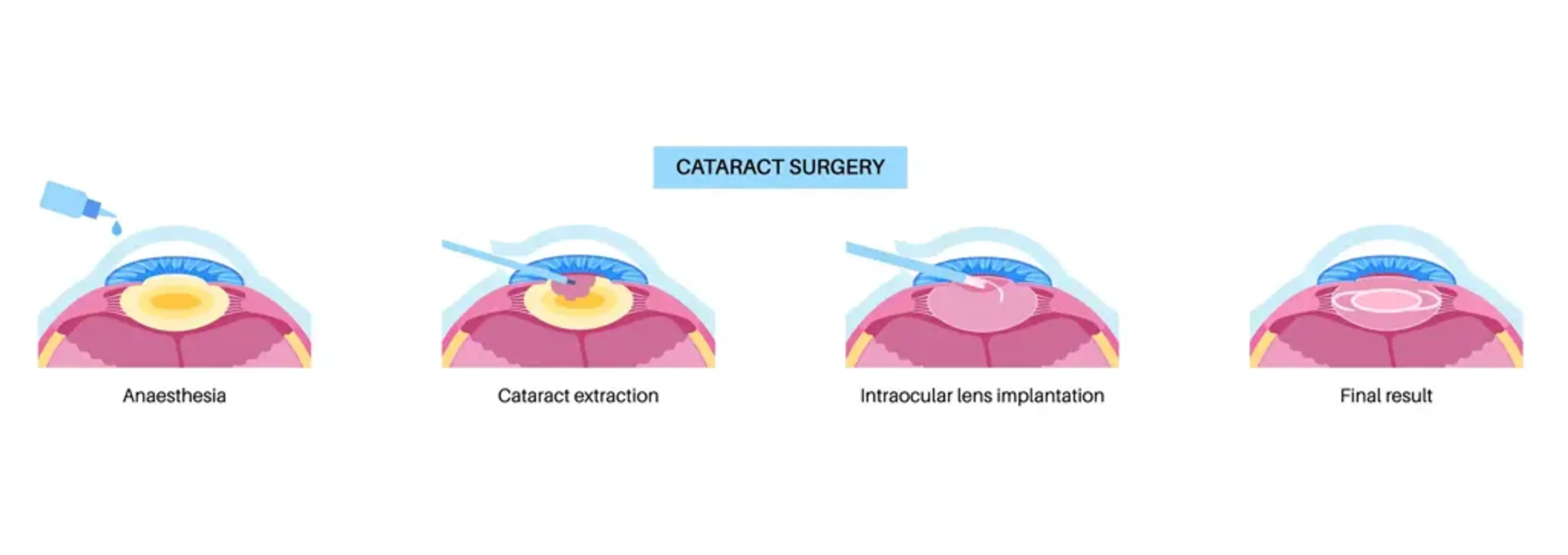
Cataract surgery is one of the most frequently performed medical procedures worldwide, restoring clear vision to millions of patients every year. At Global Ubal Eye Center, we see firsthand how this procedure can transform daily life — colors appear brighter, night driving becomes easier, and reading can feel effortless again. Yet, while the operation is safe, effective, and remarkably quick, recovery is not just about healing the surgical site. One of the most common concerns patients raise afterward is something they didn’t expect: dry eyes.
If you are preparing for cataract surgery, or if you’ve already undergone the procedure and now feel irritation or discomfort, you are not alone. Dry eye symptoms after cataract surgery are very common, but they are usually temporary and manageable with the right care. In this guide, we’ll explain why dry eyes occur, how long they typically last, and what can be done to make recovery more comfortable. We’ll also share insights from our 23 years of patient care at Global Ubal Eye Center, where we combine cutting-edge technology with patient-first medicine.
To understand post-surgical dry eyes, it helps to know how the eye maintains comfort in daily life. The tear film, which coats the surface of the eye, is made up of three layers: a watery layer, an oily layer, and a mucous layer. Together, they keep the surface smooth, hydrated, and protected. During cataract surgery, even with the most advanced techniques, the balance of this tear film can be temporarily disrupted.
Several factors contribute to dry eyes after surgery:
To be honest, what surprises many patients is not the presence of dry eyes but the fact that they only notice it after their cataract is gone. The improvement in vision makes discomfort more obvious.
Dry eye symptoms vary widely. Some patients describe a gritty sensation, as though sand is trapped under the eyelid. Others report burning, stinging, or even excessive tearing. Yes, watery eyes can paradoxically be a sign of dryness — the brain responds to irritation by producing more reflex tears, which are not as effective as a stable tear film.
Common complaints include:
Fluctuating or blurry vision
Sensitivity to wind, air conditioning, or light
Difficulty wearing contact lenses after surgery
Eye fatigue, especially when reading or using digital devices
A feeling that something is “off” with the eyes, even when vision is sharp
If you’re wondering whether these feelings are normal, the answer is: yes, to some extent. Mild dryness is expected, but it should improve over time with proper care.
In most cases, dry eyes peak during the first two to four weeks after surgery. As the corneal nerves regenerate and the tear film stabilizes, symptoms gradually improve. By the three-month mark, many patients notice significant relief.
However, the duration can vary depending on the patient’s pre-existing eye health. Those with meibomian gland dysfunction, autoimmune conditions, or long-standing dry eye disease may experience symptoms for longer. This is why at Global Ubal Eye Center, we always evaluate tear quality and ocular surface health before surgery. Early diagnosis allows us to treat dryness in advance, leading to smoother recovery.
It is important for patients to remember that recovery is a process. Just as you wouldn’t expect to regain full physical strength immediately after knee surgery, your eyes also need time to restore balance and comfort.
Fortunately, dry eyes after cataract surgery are both treatable and temporary in most cases. Management strategies may include:
Every patient’s eyes are unique. Some recover quickly with minimal support, while others benefit from a structured treatment plan guided by their ophthalmologist.
It is important to distinguish between expected dryness and signs of complications. You should contact your doctor if you experience:
Sudden or worsening vision loss
Severe or persistent pain
Marked redness or swelling
Unusual discharge from the eye
Vision that fluctuates dramatically instead of stabilizing
These symptoms may indicate something more serious than dry eye and require immediate attention.
At Global Ubal Eye Center in Incheon, we place great emphasis on personalized care. Dr. Heecheol Bae, with over two decades of surgical experience, reminds patients that cataract surgery is not just about replacing a cloudy lens — it’s about preparing the whole eye for healthy, comfortable vision. Our team uses advanced diagnostic tools to evaluate tear stability, corneal sensitivity, and meibomian gland health. This ensures we create a tailored care plan, both before and after surgery.
One of the things patients often share with us is relief when they realize their discomfort is both common and treatable. Simply knowing that what they are feeling is a normal part of recovery can make the healing process much less stressful.
Over the years, we’ve seen many patients who were surprised by dryness after surgery. One gentleman in his sixties told us that while his vision was sharper than ever, he felt like there was “dust” in his eyes for several weeks. With consistent use of preservative-free artificial tears and warm compresses, his symptoms resolved within two months. Another patient, a retired teacher, had long-standing dry eye before surgery. By identifying and treating this condition beforehand, we helped her avoid significant post-operative discomfort.
These stories highlight an important truth: every eye is different, and tailored treatment makes a world of difference.
In Korea, where eye health is highly valued, regular check-ups are a common part of healthcare. Many patients are proactive about seeking treatment for conditions like cataracts and presbyopia earlier than in other countries. At our clinic, we often see patients who are meticulous about maintaining eye comfort, using humidifiers at home during the dry winter months and taking preventive steps against digital eye strain from prolonged smartphone use.
This cultural awareness often leads to better outcomes, since patients are willing to engage in preventive care. For international patients, we encourage adopting a similar mindset: treating eye care as a lifelong investment rather than a short-term fix.
Cataract surgery is life-changing, offering clearer, sharper vision to those who once struggled with cloudy sight. But the healing journey is just as important as the procedure itself. Dry eyes after surgery are common, temporary, and treatable, especially with early recognition and appropriate care.
At Global Ubal Eye Center, we believe that great vision should never come at the expense of comfort. By combining advanced technology, pre- and post-operative dry eye management, and compassionate patient care, we help ensure that patients not only see clearly but also heal comfortably.
If you are preparing for cataract surgery or struggling with persistent dryness afterward, we encourage you to seek specialized care. With over 23 years of expertise in cataract surgery and dry eye treatment, our team is dedicated to guiding you through recovery and ensuring you enjoy the full benefits of restored vision.