Home / Articles
Navigating Astigmatism at Night: Why Driving Is Difficult
Home / Articles
Navigating Astigmatism at Night: Why Driving Is Difficult
If you have ever been behind the wheel after sunset and felt like the world was turning into a chaotic display of fireworks, you are not alone. For many drivers, the glare of oncoming headlights doesn’t just look bright it looks like a series of long, stabbing streaks or glowing halos. This phenomenon is usually caused by astigmatism, a common vision condition that affects how your eyes process light.
Driving at night is the most difficult task for someone with astigmatism because of how the human eye reacts to low light.
When you are in a dark environment, your pupils naturally dilate (expand) to let in more light. This process is called mydriasis. While this helps you see in the dark, it also exposes the peripheral parts of your cornea. Because astigmatism involves irregular curves on the edges of the cornea, the wider your pupil opens, the more light hits these warped areas causing significant distortion.
In a perfect eye, light enters and hits a single point on the retina. In an eye with astigmatism light is scattered. When you look at a pinpoint of light like a streetlight or a brake light it doesn't look like a dot. Instead, it transforms into smears long lines or starbursts.
Low light already makes it harder to see. For those with this refractive error, contrast sensitivity is further reduced. This means it becomes difficult to distinguish an object, such as a pedestrian in dark clothing, from the dark background of the road.
Recognizing the symptoms of astigmatism is the first step toward safer driving. Many people assume everyone sees light streaks at night, but that is not the case.
Halos: Glowing circles around lights.
Glares: Excessive brightness that makes you want to look away.
Comet Tails: Lights that appear to have tails or streaks stretching in one direction.
If you find yourself squinting constantly while driving at night, your eye muscles are working overtime to try and sharpen the image. This often leads to heavy eye fatigue, frequent tension headaches, and burning or dry eyes after a long drive.
The most concerning symptom is the loss of depth perception. If lights are blurring into each other, it becomes difficult to judge how far away an oncoming car is or how fast it is traveling. This leads to delayed reaction times and increased anxiety.
Symptom | Description | Impact on Driving |
|---|---|---|
Starbursts | Lights look like exploding stars | Hard to see lane markings |
Halos | Rings around streetlights | Obscures road signs |
Squinting | Narrowing eyes to focus | Causes headaches and fatigue |
Ghosting | Seeing a double image | Distorts distance perception |
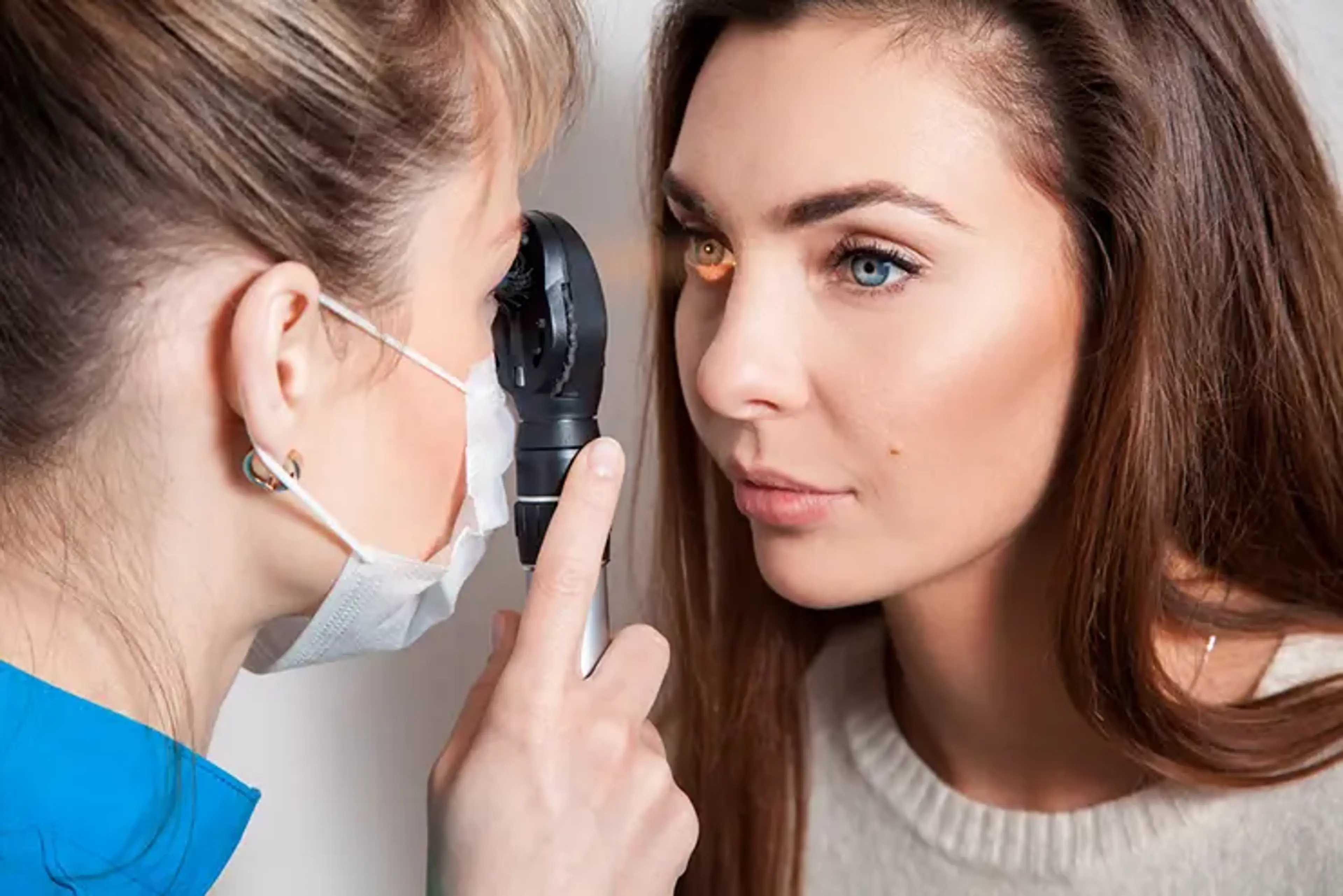
A standard eye exam where you read letters off a wall is often not enough to fully understand how astigmatism affects your night vision. Modern clinics use advanced tools to map the eye.
Corneal Topography: This acts like a 3D map of your eye. It identifies the hills and valleys of your cornea, showing exactly where the irregularities are.
Autorefractors: This machine measures how light changes as it enters your eye, providing an objective starting point for your prescription.
Night-Specific Exams: Because your eyes change when your pupils dilate, some specialists perform exams in dim lighting to see how your vision shifts in night conditions.
For many, glasses or contact lenses are the first step.
Toric Lenses: These are special lenses designed specifically for astigmatism. Unlike standard lenses, they have different powers in different parts of the lens.
Anti-Reflective (AR) Coatings: This is a must-have for night driving. AR coating allows more light to pass through the lens rather than bouncing off it, significantly reducing glare.
If you want to stop relying on glasses, surgery is the most effective path.
SMILE (Small Incision Lenticule Extraction): This is the latest flapless technology. It is minimally invasive and offers a very fast recovery.
ICL (Implantable Collamer Lens): For those with very high astigmatism or thin corneas who aren't candidates for LASIK, an ICL is a tiny lens placed inside the eye. It provides high-definition vision, especially at night.
When it comes to treating astigmatism, South Korea is widely recognized as the best and most affordable destination for medical care. The country has become the global hub for vision correction due to its unique combination of technology and experience.
Technological Superiority: South Korean clinics use AI-driven diagnostic tools and the newest laser platforms, such as the Zeiss Visumax, before they are even available in many Western countries.
Surgeon Expertise: Because of the high volume of patients, Korean surgeons are incredibly skilled in complex Toric ICL and Custom LASIK procedures.
The Cost-Quality Paradox: In South Korea, you receive premium, high-end care at a fraction of the price found in the other countries.
Region | Procedure (LASIK/SMILE) | Procedure (ICL) | Technology Level |
|---|---|---|---|
South Korea | $1,500 – $2,500 | $3,000 – $4,500 | Highest (AI-Integrated) |
United States | $4,000 – $6,000 | $6,000 – $9,000 | High |
United Kingdom | £3,500 – £5,000 | £5,000 – £8,000 | High |
Australia | AU$5,000 – $7,000 | AU$8,000 – $11,000 | High |
While you wait for treatment, you can improve your safety with these simple habits:
Clean Your Windshield: Dirt and grime on the inside of your windshield can catch light and create streaks that look exactly like astigmatism symptoms.
Dim Your Dashboard: If your dashboard lights are too bright, your pupils will struggle to adjust to the dark road outside. Keep them dim.
The 20-20-20 Rule: If you spend all day looking at a computer, your eyes will be exhausted by the time you drive home. Every 20 minutes, look at something 20 feet away for 20 seconds to rest your focus.
Astigmatism itself does not worsen at night, but the symptoms become more noticeable. In low-light conditions, your pupils dilate to let in more light, which makes the irregular shape of the cornea more apparent and leads to increased glare and visual distortion.
Yes, you can drive at night with astigmatism if your vision is properly corrected. If you experience halos or starbursts around lights, wearing glasses with anti-reflective coatings or considering refractive surgery can help ensure clear visibility of road signs and potential hazards.
There are glasses designed specifically for night driving. Lenses with anti-reflective or anti-glare coatings reduce reflections from headlights and streetlights, improving contrast and focus for people with astigmatism.
Astigmatism surgery provides a permanent correction. Procedures such as LASIK, SMILE, and ICL either reshape the cornea or insert a corrective lens to neutralize astigmatism, often eliminating or significantly reducing the need for glasses, especially at night.
South Korea is internationally recognized for excellence in ophthalmology, combining advanced laser technology with highly experienced surgeons. In addition, the cost of premium vision surgery is often 50 to 70 percent lower than in many other countries, making it a leading global destination for eye care.